N
NaaS
Network as a Service. Network connectivity, such as VPNs and bandwidth on demand, offered as a cloud-style service, often built on network virtualisation.
NAPT
Network Address and Port Translation. NAT that also rewrites port numbers, so that many private hosts can share one public IP address. It is also called PAT or IP masquerading.
See also: NAT.
NAS
Network Access Server. A device that gives users access to a network, such as a dial-up or broadband access server. It usually authenticates them through RADIUS. In LTE, NAS also stands for the non-access stratum: the signalling between the device and the core.
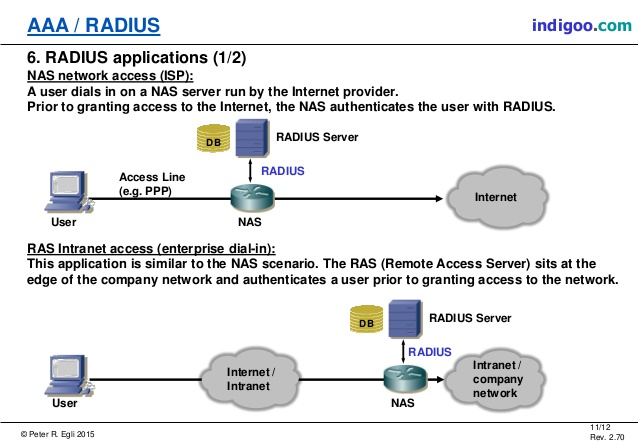
NAS.
NAT
Network Address Translation. Rewriting IP addresses in packets as they pass through a router, usually so that a private network can share public addresses. It has kept IPv4 going despite address exhaustion, but it complicates peer-to-peer protocols.
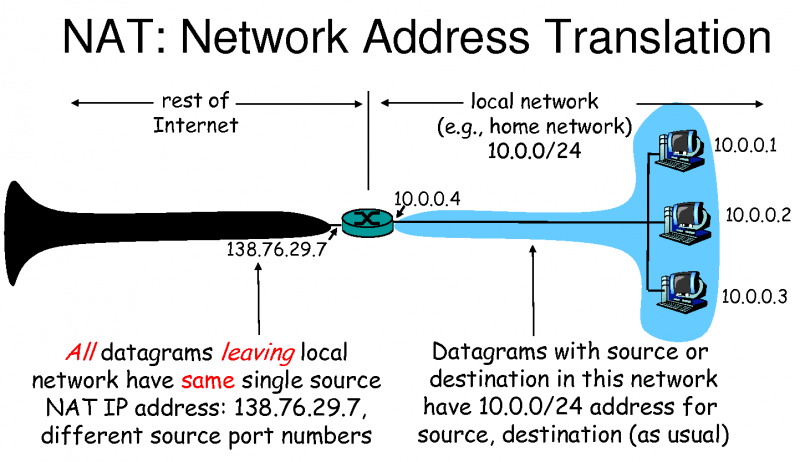
NAT.
See also: NAPT, STUN, ICE, IPv4.
Native Risk Management
See Intrinsic Risk Management.
NB-IoT
Narrowband IoT. A 3GPP low-power, wide-area radio technology for simple IoT devices, such as meters, that send little data and must run for years on a battery.
NBAP
Node B Application Part. The UMTS signalling protocol on the Iub interface with which the RNC controls a Node B, setting up cells and radio links.
NCSC
National Cyber Security Centre. The UK’s technical authority on cyber security, part of GCHQ, which advises government, businesses and the public. It opened in 2016.
Network Topologies
The arrangement of a network’s nodes and links, such as bus, star, ring, mesh or tree. The physical topology is how it is cabled; the logical topology is how data flows.
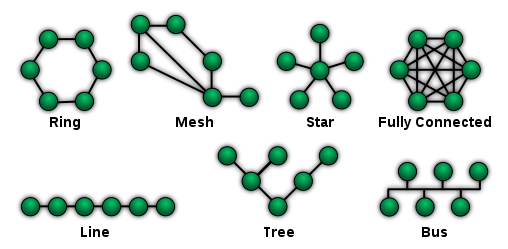

Network Topologies.
Star, ring and mesh topologies.
NFS
Network File System. A protocol, first developed by Sun in 1984, that lets a computer use files on a remote server as if they were local.
NGN
Next-Generation Network. A packet-based network, usually all-IP, that carries every service, voice included, with service control separate from transport. ITU-T and ETSI TISPAN defined NGN architectures in the 2000s, and IMS became their service layer.
See also: IMS, BT 21CN, Softswitch.
NGWFQ
A form of weighted fair queuing. Weighted fair queuing shares a link’s capacity between flows or classes in proportion to weights set for each.
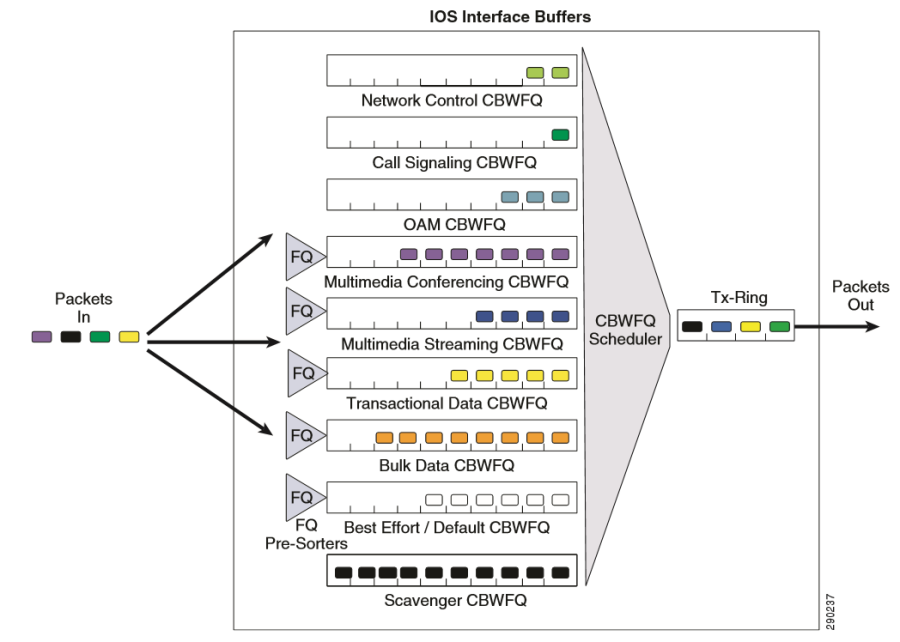
NGWFQ.
Niko-niko Calendar
A calendar on which each team member records their mood each day, often with a smiley face, to show patterns in how the team feels.
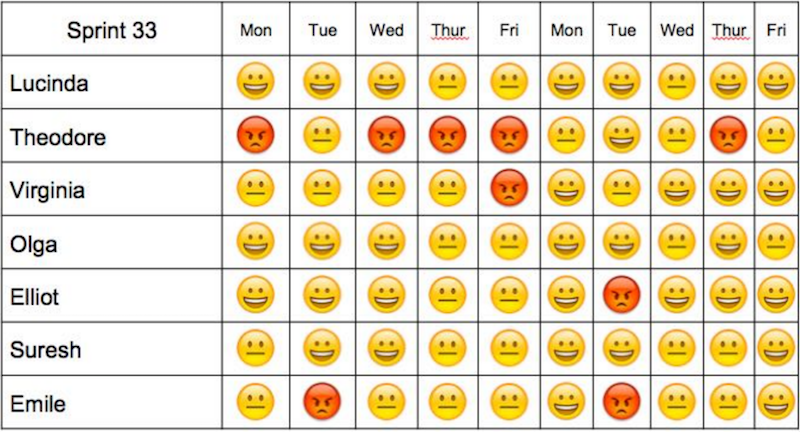
Niko-niko Calendar.
See also: Information Radiators.
NIST
National Institute of Standards and Technology. The US agency that maintains measurement standards and publishes widely used computer security standards and guidance, such as FIPS and the SP 800 series.
NNI
Network-to-Network Interface. The interface between two networks, or two parts of one network, with its signalling and management. It differs from the user-network interface (UNI), between a network and its customer.
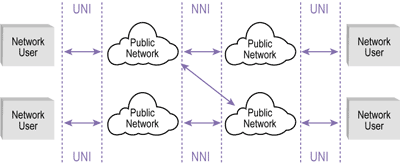
NNI.
See also: UNI.
NNTP
Network News Transfer Protocol. The protocol, first defined in RFC 977 in 1986, for distributing, reading and posting Usenet news articles.
NOC
Network Operations Centre. The place from which an operator monitors and manages its network.
Node B
The UMTS base station, the equivalent of the GSM BTS. It handles the radio link with mobile devices, under the control of an RNC.
See also: RNC, BTS, E NodeB, NBAP.
Nominal Path
The path through a system’s behaviour where everything goes as expected, with no errors or exceptions. Also called the happy path.
See also: Use Case, Happy Path.
Non-functional Requirement
A requirement about how well a system works rather than what it does, such as performance, reliability, security, usability or compatibility. Also called a quality attribute.
See also: Functional Requirement, How Requirement.
NoSQL
Databases that store data in forms other than relational tables, such as key-value, document, wide-column or graph stores. They often trade strict consistency for easier horizontal scaling.
NPE
Network Provider Edge. A provider edge (PE) router, which connects customer networks or other providers’ networks to a provider’s core.
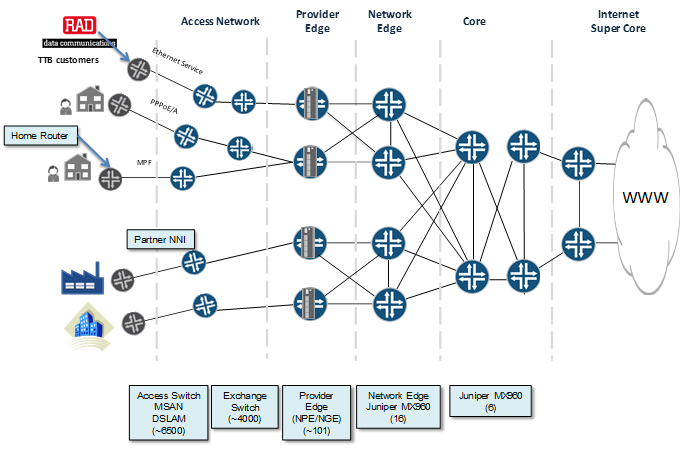
NPE.
NSS
Network Switching Subsystem. The GSM core network: the MSCs, HLR, VLR and related nodes that switch calls and manage mobility. GPRS added a packet core alongside it.
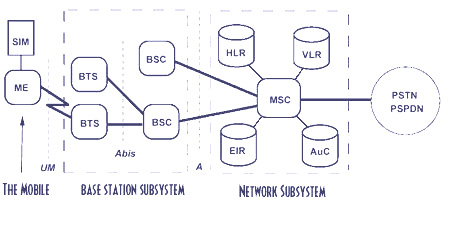
NSS.
NTP
Network Time Protocol. The protocol that synchronises computer clocks over packet networks. It gets within tens of milliseconds of UTC over the internet, and usually within a millisecond on a LAN.
NTS
Number Translation Service. A non-geographic number, such as a UK 08 number, that the network translates to an ordinary number, so the destination can change without changing the published number.
See also: IN.
NTU
Network Terminating Unit. The device that marks the boundary between the operator’s line and the customer’s equipment, and gives a point for testing the line.
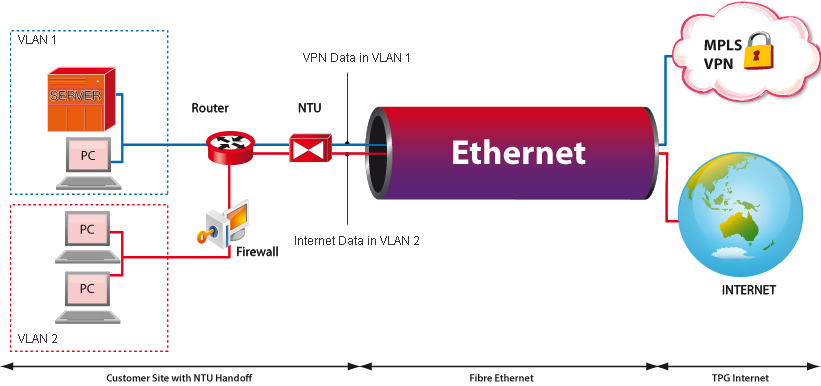
NTU.
See also: CPE.
NYB
Not Yet Built. Royal Mail address data for properties that are planned or under construction.