arc42: A Pragmatic Approach to Software Architecture Documentation
Software architecture documentation is often a double-edged sword. Get it wrong, and you’re either drowning in unnecessary details that no one updates or left with vague, high-level notes that don’t actually help anyone.
Finding the right balance is tricky. You need documentation that is:
- Comprehensive but concise – Enough detail to be useful, but not so much that it’s overwhelming.
- Structured but flexible – A consistent approach that works across different projects and teams.
- Living and evolving – Not a static document that gathers dust in Confluence.
That’s where arc42 comes in.
What is arc42?
arc42 is a structured template for documenting software architecture. It provides a consistent way to capture and communicate architectural decisions without overcomplicating things. Originally developed by Dr Peter Hruschka and Dr Gernot Starke, it has been widely adopted because it’s:
- Concise – Encourages a “just enough” mindset, avoiding documentation bloat.
- Technology-agnostic – Useful for everything from embedded systems to cloud-native platforms.
- Well-structured – Helps teams document architecture in a way that’s easy to understand and maintain.
arc42 structures documentation into 12 key sections, covering everything from business goals and architectural decisions to runtime behaviour and deployment strategies. These sections ensure that documentation remains relevant, structured, and maintainable over time.
Breaking Down the arc42 Template
arc42 is split into 12 sections, each covering a key aspect of the architecture. Not every project needs all 12 sections, but together they provide a holistic view of a system’s architecture.
1. Introduction and Goals
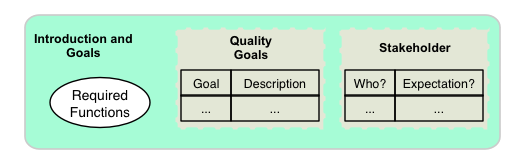
Icons from the arc42 template, CC BY-SA 4.0.
Every system exists for a reason. This section clarifies the business and technical objectives behind the system. It sets expectations and ensures alignment across stakeholders, from product owners to developers.
- Defines the core purpose of the system.
- Outlines key functional and non-functional goals.
- Ensures all stakeholders have a shared understanding.
Without clear goals, architecture can drift over time, leading to misalignment between what was intended and what is actually built.
2. Constraints
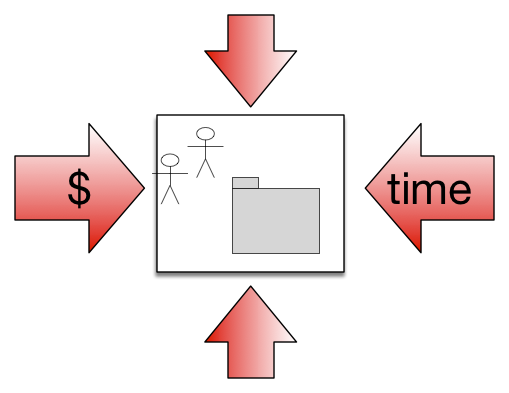
Constraints define the boundaries within which the architecture must operate. These might come from legal, technical, or organisational factors, and they significantly shape the design choices available.
- Regulatory and compliance requirements that the system must adhere to.
- Technology constraints such as mandated programming languages, frameworks, or infrastructure.
- Operational limitations like budgetary restrictions or available team expertise.
Understanding constraints early prevents wasted effort and ensures architectural decisions remain feasible and sustainable.
3. Context and Scope
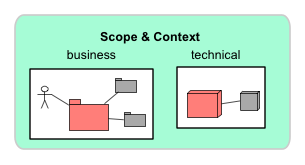
This section defines the system’s role within a larger ecosystem. It clarifies what’s inside the system’s boundaries and what’s external.
- Identifies external actors interacting with the system.
- Defines key dependencies and how they impact architecture.
- Sets clear in-scope and out-of-scope boundaries to avoid scope creep.
A well-defined system boundary helps manage complexity and ensures integration points are well understood.
4. Solution Strategy

This section captures the fundamental design and architectural decisions that shape the solution. It provides high-level insights into why certain choices were made and the trade-offs involved.
- Outlines the high-level architecture approach (e.g., monolith vs. microservices).
- Highlights key trade-offs and alternatives considered.
- Justifies technology and framework selections.
A strong solution strategy prevents arbitrary decision-making and ensures architectural consistency.
5. Building Blocks View
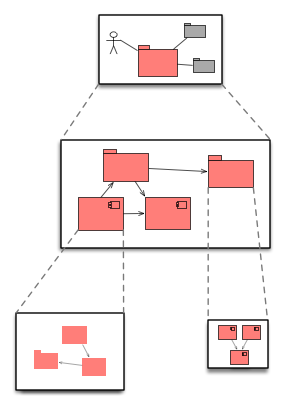
This is the structural breakdown of the system, describing its main components and their responsibilities. It provides an overview of the internal composition of the software.
- Defines core modules, services, and components.
- Explains how they interact with one another.
- Uses a hierarchical approach to break down complexity.
By visualising the structure, teams can quickly understand the system’s organisation and separation of concerns.
6. Runtime View
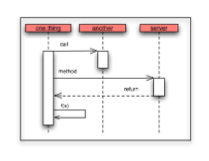
A system’s behaviour isn’t just about static structure; it’s also about how it operates in real-world scenarios. This section describes the dynamic interactions that occur during execution.
- Shows how components interact at runtime.
- Describes data flow, event handling, and request processing.
- Includes failure scenarios and their impact on system stability.
Capturing runtime behaviour is essential for debugging, performance optimisation, and ensuring the system behaves as expected under different conditions.
7. Deployment View
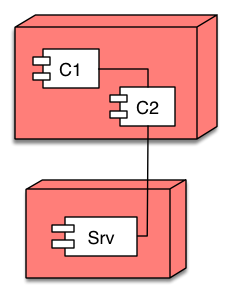
This section describes how and where the system is deployed. It provides a clear picture of the infrastructure and runtime environments.
- Defines deployment environments (e.g., cloud, on-prem, hybrid).
- Describes scalability strategies and failover mechanisms.
- Outlines infrastructure dependencies like databases, message queues, and load balancers.
A well-documented deployment view helps DevOps teams manage, scale, and troubleshoot the system effectively.
8. Crosscutting Concepts
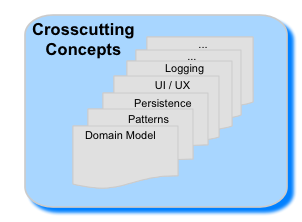
Certain architectural concerns span multiple components. This section ensures they are documented consistently across the system.
- Covers security policies, authentication mechanisms, and authorisation models.
- Defines logging, monitoring, and observability best practices.
- Documents error handling, resilience patterns, and disaster recovery.
Crosscutting concerns often define the system’s reliability, security, and maintainability, making them crucial to document properly.
9. Architecture Decisions (ADRs)

Documenting why decisions were made is just as important as the decisions themselves. This section captures key architectural decisions and their rationale.
- Records major architectural choices and alternatives considered.
- Documents the reasoning and trade-offs behind decisions.
- Helps future teams understand why things were done a certain way.
A well-maintained set of ADRs prevents future rework and helps teams make informed, consistent architectural choices over time.
10. Quality Requirements
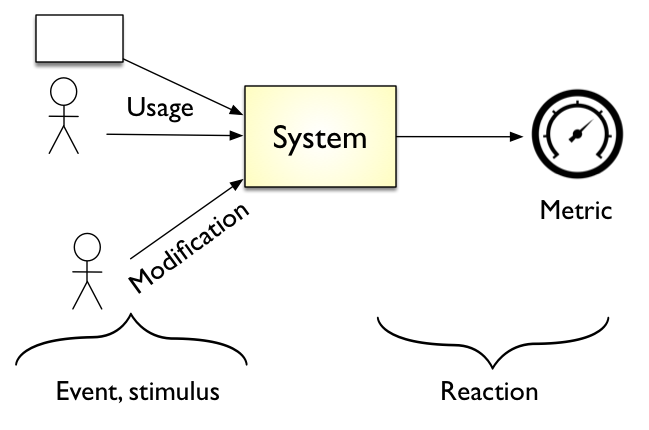
Architecture is shaped by more than just functional features—non-functional requirements (NFRs) often dictate major design choices.
- Defines performance, scalability, and reliability expectations.
- Documents security, maintainability, and usability requirements.
- Helps teams prioritise what matters most when making trade-offs.
Ignoring quality requirements early can lead to systems that work functionally but fail under real-world conditions.
11. Risks and Technical Debt

Every system has risks and trade-offs. This section captures potential challenges and areas of technical debt that could impact the system.
- Identifies known risks and potential failure points.
- Documents mitigation strategies or workarounds.
- Highlights areas of technical debt that may need addressing later.
By proactively identifying risks, teams can plan ahead rather than dealing with surprises.
12. Glossary
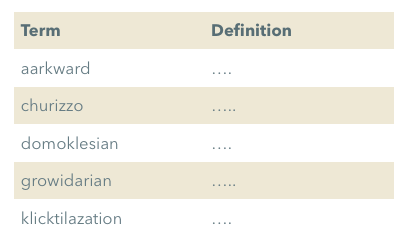
Terminology can vary between teams, industries, and stakeholders. The glossary ensures everyone speaks the same language.
- Defines key terms and abbreviations.
- Standardises naming conventions across teams.
- Reduces misunderstandings and ambiguity.
A simple glossary can prevent confusion and miscommunication, especially in complex domains.
Final Thoughts
arc42 provides a structured yet pragmatic approach to documenting software architecture. It bridges the gap between no documentation and over-documentation, making it easier to communicate architecture effectively.
If you’ve ever struggled with keeping architecture documentation useful and maintainable, arc42 is worth exploring. Give it a go—you might find it’s the right balance of structure and flexibility your team needs.